

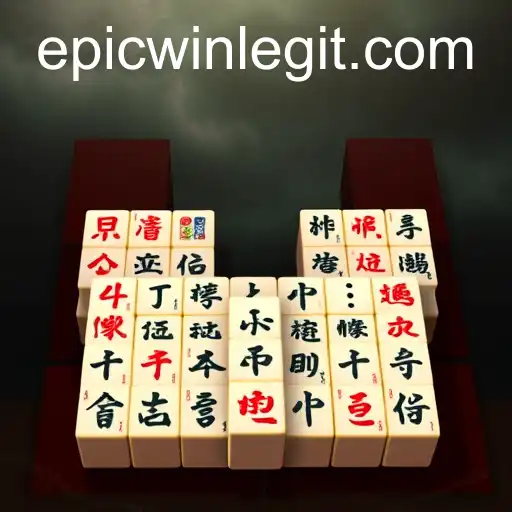
Explore the timeless game of Mahjong, its history, rules, and the exciting journey to achieving an epic win.
Mahjong: A Game of Strategy, Skill, and an Epic Win
Introduction to Mahjong
Mahjong is a fascinating game of skill, strategy, and calculation, deeply rooted in tradition and history. Originating from China, Mahjong has captured the hearts of players worldwide and has seen various adaptations and versions over the years. While primarily played in Asian countries, its popularity is rapidly spreading across the globe. Mahjong is not just a game; it's a cultural experience that bridges the gap between history and modernity.
The Origin and Evolution of Mahjong
Mahjong's exact origins are somewhat shrouded in mystery, with several legends and theories surrounding its invention. Some claim it was developed by Confucius, while others argue that it was created in the mid-19th century in China. Regardless of its precise beginnings, Mahjong quickly grew in popularity, expanding from China to Japan, and eventually to the Western world by the early 20th century. Its rich history and intricate design make it a fascinating subject for historians and gaming enthusiasts alike.
Understanding the Mahjong Set
The game is played with a set of 144 tiles based on Chinese characters and symbols, although different regional variations may include alternative sets. The tiles are categorized into suits: Bamboos, Characters, and Circles, alongside honor tiles which consist of Dragons and Winds. Additionally, there are flower and season tiles, each playing a unique role depending on the version of Mahjong being played.
An essential part of playing Mahjong is understanding the tile sets and their respective values, as these will shape the strategy and decisions made during gameplay. Mastering these components is crucial for achieving that coveted epic win.
Basic Rules of Mahjong
Though there are numerous variations of Mahjong, the core rules remain consistent across different versions. The game is typically played by four players and involves building pairs and sequences to create winning hands. A standard Mahjong game begins with each player drawing initial tiles and then taking turns to either draw or discard tiles, all while aiming to complete a hand comprising four melds (sets of tiles) and a pair.
To successfully win, a player must strategically determine when to draw, discard, or declare Mahjong. The timing of these moves can make the difference between a regular win and an epic win, where a player comes from behind or wins against overwhelming odds. It's this strategic depth that makes Mahjong both challenging and rewarding.
Exploring Modern Trends in Mahjong
As we move forward into the digital age, Mahjong has experienced a renaissance. Online platforms and apps have made the game more accessible than ever, opening up the realm of Mahjong to a new generation of players. Many of these digital adaptations incorporate modern graphics, enhanced interactivity, and competitive features that appeal to a competitive global audience. This digital transition not only maintains traditional game elements but also adds layers of innovation, attracting younger demographics.
Moreover, the recent global surge in Mahjong tournaments underscores the game's universal appeal. Players from around the world compete in televised contests, showcasing their skills and strategies. The thrill of competing for the epic win on such a platform is a testament to Mahjong's enduring legacy and its ability to inspire passion and dedication across cultures.
Strategies for Achieving an Epic Win
Aiming for an epic win in Mahjong involves a combination of strategy, patience, and sometimes a bit of luck. Successful players often start by analyzing their initial hand to decide on a winning strategy, whether focusing on a specific suit or aiming for special hands with higher scores. Observing opponents' moves can also provide invaluable insight into their strategies, allowing for more informed decisions.
Epic wins often require risk-taking and a willingness to adapt when necessary. Staying flexible and responsive to the flow of the game while preventing opponents from forming their winning hands is essential. Advanced players also utilize psychological tactics, such as bluffing and reading others' intentions, to gain an advantage over their rivals.




0 Comments